
Making
Real Food Work:
A Gentle, Sustainable Approach to Meal Planning
March 2026
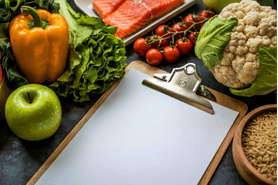
Meal planning doesn’t need to be rigid or overwhelming. At its best, it’s a soft structure that reduces stress, simplifies decisions, and helps real food feel accessible—even on the busiest days. Instead of striving for perfectly mapped‑out menus or holding yourself to strict rules, meal planning can become a gentle rhythm that supports you in the background of your life.
It’s a way of creating just enough clarity so you’re not starting from zero every time you step into the kitchen. When we give ourselves a little space to think ahead—without pressure or perfection—nourishment becomes something we naturally support rather than something we scramble to fit in. Over time, these small, flexible habits build a foundation of ease, confidence, and consistency that makes real food feel doable in any season of life.
Why Meal Planning Helps
A gentle meal‑planning rhythm supports your well‑being by:
Reducing daily decision fatigue
Saving money and minimizing waste
Making nourishing choices easier and more consistent
Consistency—not perfection—is what builds long‑term vitality.
A Simple Weekly Rhythm
Meal planning might sound like a big task that eats up your weekend, but it really doesn’t have to be that way.
With just a little time set aside each week, you can make your kitchen a more peaceful place.
Start by taking a look at what’s already hanging out in your pantry and fridge. This way, you won’t buy stuff you don’t need, and you’ll cut down on food waste too.
Then, pick out a few meals you’d like to whip up for the week. Don’t worry about making it fancy—just choose dishes that fit your schedule and what you feel like eating.
After you’ve picked your meals, jot down a grocery list with only the essentials. This will make your shopping trip quicker and keep you on track, saving both time and money.
By weaving this simple rhythm into your weekly routine, you’ll create a kitchen that’s organized and welcoming, reducing stress and boosting your love for home-cooked meals.
The Low‑Pressure, Ultra Flexible Minimum Meal Planning Method
Planning a full week of meals can feel overwhelming, especially if you’re just getting started. This method keeps things straightforward and realistic so you can build consistency without spending hours planning or cooking.
Two Breakfasts: Choose two breakfasts you can make quickly and enjoy eating. Rotate them throughout the week so you’re not making a brand‑new decision every morning. This alone removes a huge amount of daily mental load.
Two Lunches: Pick two lunches that are easy to assemble and keep you satisfied. Think simple salads, wraps, bowls, or leftover‑based meals. Alternating between just two options keeps things predictable and reduces prep time.
Three Dinners: Select three dinners that fit your lifestyle—quick meals, slow‑cooker options, sheet‑pan recipes, or simple stovetop dishes.
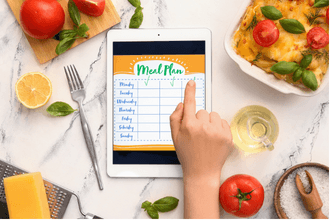
HINT: Maybe plan to make double batches of these meals. Cooking once and eating twice gives you built‑in leftovers for lunches or another dinner later in the week, dramatically reducing how often you need to cook.
Keeping these meals on a simple 4‑ or 6‑week rotation makes everything even easier. Grocery shopping becomes faster, you need fewer ingredients, and you eliminate a lot of decision fatigue. And because this method is flexible, you can swap in a similar meal anytime you want a change without reworking your entire plan.
This approach gives you structure without pressure, variety without overwhelm, and a clear path to consistent, real‑food meals that support your week.
Small Habits That Build Consistency
You don’t need a full prep day. A few small steps go a long way:
Chop vegetables
Cook a grain
Prepare a simple protein
Make a favorite sauce
These components mix and match easily, reducing effort throughout the week. Larger batches that freeze well can double your efforts!
Batch Cooking & Purposeful Leftovers
Batch cooking is one of the most practical strategies for making meal planning work in real life, and the simplest way to approach it is with a cook once, eat twice mindset. Instead of cooking a brand‑new meal every day, you intentionally prepare enough at one time to cover two meals—usually dinner one night and lunch or dinner the next day. This cuts your weekly cooking load in half without sacrificing nourishment or variety.
When you’re already cooking, it takes only a small amount of extra effort to double a recipe or increase the portions. A larger pot of chili, a bigger tray of roasted chicken and vegetables, or an extra‑large batch of soup can easily stretch into tomorrow’s meal.
This approach saves time, reduces cleanup, and ensures you always have something ready when your schedule gets busy.
The key is to plan meals that hold up well for a second round—foods that reheat nicely, store well, and still taste great the next day. By building a few of these “double‑duty” meals into your week, you create built‑in support for yourself. You cook once, enjoy it twice, and free up time and energy for everything else on your plate.
Create A Real Food Favorites List
Grab the FREE meal planner below and print your list: begin by jotting down your easy, go‑to meals—the ones you can make without much effort or thought. These are your comfort meals, your weeknight staples, the dishes your household always says yes to. Then, as you discover new recipes or simple combinations you enjoy, add them to the list. Over time, this becomes a living, ever‑growing resource.
Include the Ingredients: for each favorite meal, list the key ingredients right underneath it. This turns your favorites list into a ready‑to‑use planning tool. When it’s time to map out your week, you can simply scan the list, choose a few meals, and transfer the ingredients straight to your grocery list. No searching, no scrolling, no overwhelm.
Let It Grow With You: your favorites list isn’t meant to be finished—it evolves as your tastes, seasons, and routines shift. Every time you try something new that feels easy and nourishing, add it. Over time, you’ll build a personalized library of meals that make planning feel effortless.
The Flavor Formula
Creating meals that are both yummy super nourishing and balanced doesn’t have to be complicated. You can rely on this easy-going formula: base (carb) + protein + vegetable + healthy fat + flavor booster. This guide helps you whip up a wide range of satisfying dishes with things you already have on hand. No stress or overthinking!
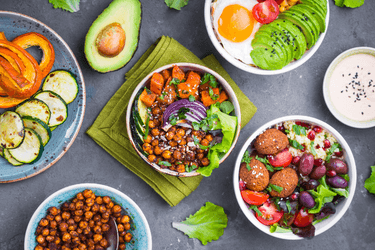
Base: Start with the foundation of your meal. This could be grains like rice or quinoa, pasta, or even a bed of leafy greens. It’s all about getting those essential carbohydrates for energy.
Protein: Essential for keeping your body strong, protein can come from juicy chicken, fish, or beef, or plant-based options like beans, lentils, or tofu.
Vegetable: Add in those veggies not just for nutrition, but for a pop of color, texture, and flavor. Whether you’re into leafy greens or crunchy root veggies, they’re all great choices.
Healthy Fat: Don’t skip the healthy fats—they're key for absorbing vitamins and maintaining wellness. Think olive oil, creamy avocados, crunchy nuts, or seeds.
Flavor Booster: Here’s where the fun begins! Elevate your dish with herbs, spices, tangy sauces, or a refreshing squeeze of citrus. It’s your chance to make every meal sing.
Understanding this easy, nutritious and amazing flavor formula gives you the freedom to mix and match based on what’s in your pantry, your taste buds, or last minute changes. The possibilities are endless, allowing you to create meals tailored just for you without sticking to a strict recipe every time.
Shopping Smart - Real Food Convenience
Smart shopping is one of the most effective ways to make real‑food meals both convenient and consistent.
When you stock your cart with ready‑to‑use, minimally processed ingredients, you remove a huge amount of friction from your week. Items like washed and chopped salad kits, canned beans, frozen vegetables, and high‑quality sauces or dressings give you a strong foundation to build nourishing meals quickly—without sacrificing quality.
These pre‑prepped staples act as shortcuts that still align with a whole‑food lifestyle. They cut down on prep time, support busy schedules, and ensure you always have the basics on hand for fast, wholesome dishes.
With the right ingredients in your kitchen, you can pull together meals in minutes, stay aligned with your goals, and avoid the temptation to rely on highly processed convenience foods.
5 Simple Steps to Make Real Food Work This Week!
It’s easy to read about meal planning and still feel unsure about where to begin. To make this feel doable, here’s a simple, supportive way to get started—no overwhelm, no perfection, just small steps that create big ease.
1. Choose Your Planning Moment
Pick one small pocket of time this week—20 minutes should be enough. This becomes your grounding rhythm. Make it cozy: a cup of tea, a quiet corner, a favorite playlist.
2. Take a Quick Kitchen Inventory
Open your fridge and pantry and simply notice what you already have. What needs to be used soon? What ingredients inspire you? This step alone reduces waste and sparks ideas.
3. Pick a Few Meals (Not a Whole Week)
Choose two breakfasts, two lunches, and three dinners you feel excited about. This is the minimum meal‑planning method— simple, flexible, and realistic for busy lives.
4. Build Your Grocery List From Those Meals
Start your list with the items needed to create those meals then build on it by adding the rest of your regular staples etc.
5. Prep One or Two Components
Choose one supportive action and plan when you will do it. Chop veggies, cook a grain, prep a protein, or make a sauce. Just one or two small steps completed ahead of time can transform your week.
*Want This to Feel Even Easier? ...Check out my FREE Meal & Grocery Planner at the bottom of this page!
Frequently Asked Questions
How long should meal planning take each week?
Meal planning doesn’t need to take more than 15-20 minutes once you have a simple system in place. This time includes, taking a kitchen inventory, clearing out the fridge to make room, choosing a small rotation of meals, (utilizing the a favorites list), and using the “two breakfasts, two lunches, three dinners” method keeps the process quick and easily repeatable.
Do I have to plan every single meal?
No. In fact, planning fewer meals is often more sustainable. Planning just the key meals (two breakfasts, two lunches, three dinners) gives you enough structure without feeling rigid. The rest of your meals naturally fill in with leftovers, simple staples, or flexible options.
What if I get bored eating the same meals? This method is designed to be flexible. You can swap in a similar meal anytime you want a change—like switching a chicken stir‑fry for a shrimp one, or swapping oatmeal for yogurt bowls. You’re not locked into anything; you’re simply reducing the number of decisions you need to make.
How do I avoid food waste? Cooking once and eating twice, using a favorites list, and shopping for ready‑to‑use real‑food staples all help reduce waste. When you plan meals that intentionally stretch into the next day, you use what you buy and avoid forgotten ingredients in the fridge.
What if my schedule changes and I can’t stick to the plan? This approach is built for real life. If something comes up, shift meals around, use leftovers, or choose a simple backup option. The goal isn’t perfection—it’s having enough structure to support you while still allowing flexibility.
Do I need to cook every night? No. With the minimal meal planning method and the cook‑once‑eat‑twice approach, you’re intentionally cooking fewer times. Three dinners can easily cover most of your week when you double the recipes and use leftovers for lunches or another dinner.
How do I know which meals to put in my rotation?
Start with meals you already enjoy and know how to make. Add new ones slowly as you find things that fit your lifestyle. Over time, your rotation becomes a personalized set of meals that are easy, nourishing, and reliable.
Final Thoughts
Meal planning doesn’t have to be complicated to be a powerful Meal planning doesn’t have to be complicated to be a powerful anchor for your week—one that reduces stress, supports real‑food habits, and gives you a clear path forward even on your busiest days.
When we give ourselves permission to start small, stay flexible, and choose nourishment over perfection, real food becomes something that supports us rather than something we struggle to manage.
With a few simple rhythms and a little intention, the kitchen begins to feel like a place of ease, creativity, and care. And if you’re ready to take that first gentle step, the FREE Meal & Grocery Planner waiting below will help you put these ideas into practice with clarity and confidence—one nourishing week at a time
Get Your FREE Meal & Grocery Planner!
A complete, beginner‑friendly system to make real‑food meal planning simple, sustainable, and stress‑free.
This package includes:
A complete guide to meal planning that walks you through the exact method step‑by‑step—two breakfasts, two lunches, three dinners, cook‑once‑eat‑twice, favorites lists, and more.
Two styles of weekly meal planners so you can choose the layout that works best for your brain and your schedule.
Two styles of sectioned grocery lists designed to make shopping faster, more organized, and more intentional.
Printable recipe pages to keep your go‑to meals in one place and build your own personalized recipe collection.
Favorite recipe pages for each meal type so you can create a growing library of easy, reliable meals to pull from every week.
Everything in this package is designed to reduce decision fatigue, support real‑food habits, and help you stay consistent without perfectionism or overwhelm.
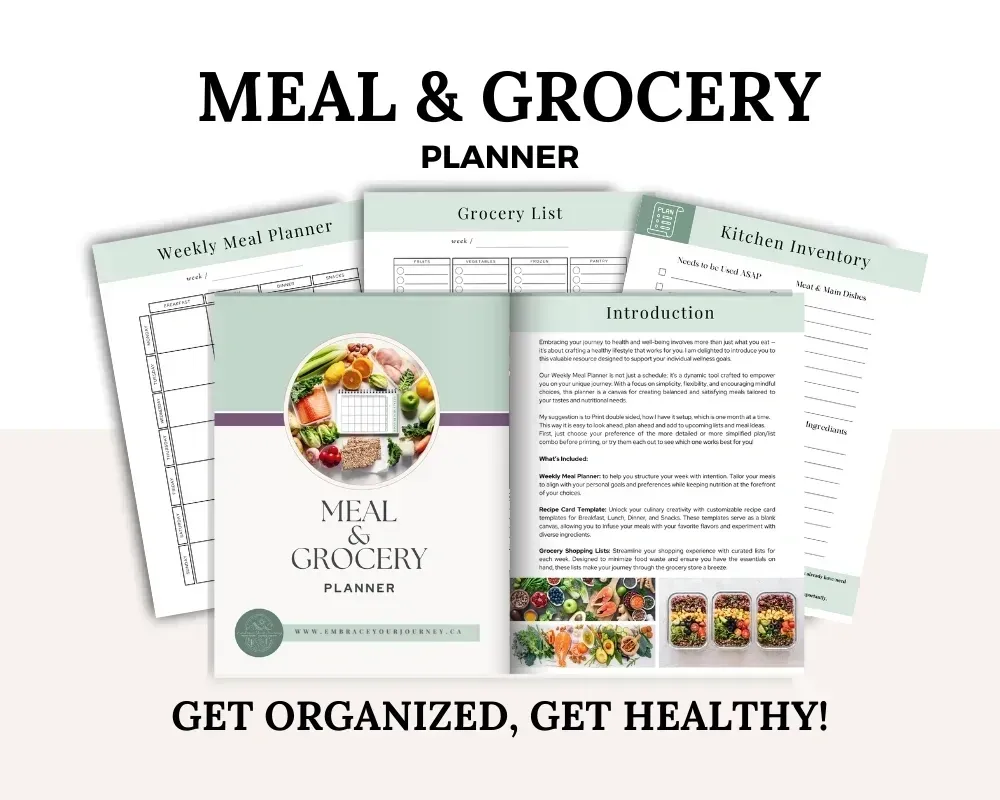
CLICK THE IMAGE TO GET IT FREE!
Book your next visit!
Copyright © 2025 embraceyourjourney.ca - All Rights Reserved.