
Nutrition Basics:
A Guide to Understanding Macronutrients, Micronutrients & Building a Balanced Plate
March 2026
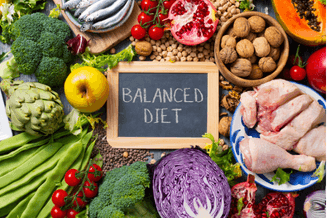
Nutrition is one of the most foundational elements of wellbeing, yet it’s also one of the most misunderstood.
Many people grow up hearing fragmented advice — “avoid carbs,” “eat less fat,” “protein is king,” “take supplements,” “count calories” — without ever learning the simple, science‑rooted basics of how the body actually uses food.
This guide is designed to change that.
Here, you’ll learn not just what to eat, but why it matters, how nutrients work inside your body, and how to build meals that support energy, mood, digestion, and long‑term health.
Think of this as a gentle, empowering nutrition education — the kind that helps you make confident choices without restriction or overwhelm.
What Are the Basics of Good Nutrition?
Good nutrition rests on three essential pillars:
1. Macronutrients (carbs, protein, fats)
These are the nutrients your body needs in the largest amounts. They provide energy, structure, and the raw materials for everything from muscle repair to hormone production.
2. Micronutrients (vitamins, minerals)
These are needed in smaller amounts, but they regulate every system in your body — immunity, metabolism, brain function, digestion, and more.
3. Food Variety & Balanced Meals
Variety ensures you naturally get a wide spectrum of nutrients. Balanced meals help stabilize blood sugar, support energy, and prevent cravings or overeating.
When these three elements work together, your body has what it needs to function optimally — without tracking, restricting, or obsessing.

Macronutrients: The Body’s Energy & Building Blocks
Macronutrients are the nutrients your body needs in the largest quantities. Each one plays a unique role, and understanding them helps you build meals that truly nourish you.
So, let’s go deeper.
Carbohydrates: Your Body’s Preferred Energy Source
Carbohydrates are the fuel your brain and muscles rely on most. When you eat carbs, your body breaks them down into glucose — a simple sugar that your cells use for energy.
Why Your Body Loves Carbs
Your brain alone uses about 20% of your daily energy needs, and glucose is its preferred fuel. When you don’t eat enough carbs, your body has to work harder to convert protein or fat into energy, which can leave you feeling tired, foggy, irritable, or craving sugar.
Simple vs. Complex Carbs (and Why It Matters)
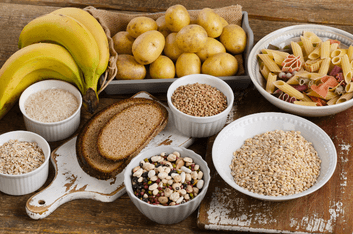
Simple carbs digest quickly and provide fast energy.
These are found naturally in fruit and milk, and also in sweets and refined foods.
They’re not “bad” — they’re just quick fuel.Complex carbs digest more slowly, providing steady energy and longer fullness.
These include whole grains, beans, lentils, and starchy vegetables.
Fiber: The Carbohydrate That Doesn’t Get Enough Credit
Fiber is a type of carbohydrate your body can’t digest, but it plays a huge role in health:
stabilizes blood sugar
supports healthy digestion
feeds beneficial gut bacteria
reduces cholesterol
helps you feel full
*Most people don’t get enough fiber — increasing a variety of complex carbohydrates is the simplest way to fix that.
Protein: Repair, Strength, Hormones & Satiety
Protein is essential for building and repairing tissues, maintaining muscle, and supporting metabolism. Every cell in your body contains protein.
Why Protein Is So Important
Protein is involved in:
muscle repair and growth
immune function
hormone production
enzyme activity
blood sugar regulation
satiety and appetite control
When you eat protein, your body breaks it down into amino acids — the building blocks of life.
Protein Sources:
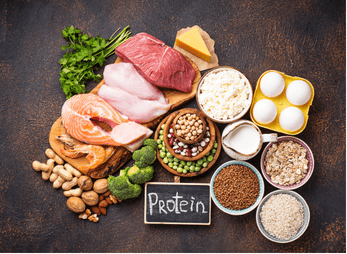
Animal proteins (chicken, fish, eggs, yogurt, beef) contain all essential amino acids.
Plant proteins (lentils, beans, tofu, tempeh, quinoa, nuts, seeds) can be combined throughout the day to meet your needs.
Most people feel best when they include a protein source at each meal — it’s one of the simplest ways to improve energy and reduce cravings.
Fats: Hormones, Brain Health & Nutrient Absorption
Fats are essential — not optional.
They support brain function, hormone balance, and the absorption of vitamins A, D, E, and K.
Why Fats Matter
Fats help:
regulate hormones
protect brain and nerve function
absorb fat‑soluble vitamins
provide long‑lasting energy
reduce inflammation (especially omega‑3s)
support healthy skin and cell membranes
Types of Fats
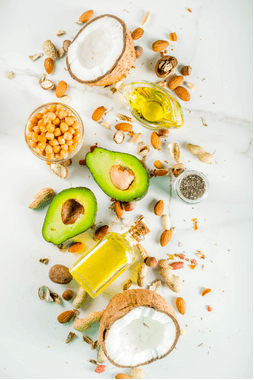
Unsaturated fats: heart‑healthy; found in olive oil, nuts, seeds, avocado, fatty fish
Saturated fats: fine in moderation; found in cheese, butter, coconut, fatty meats
Trans fats: avoid when possible; found in some processed foods
Healthy fats help you feel satisfied and energized — they’re a key part of balanced eating.
Micronutrients: The Vitamins & Minerals That Keep You Thriving
Micronutrients don’t provide calories, but they’re essential for nearly every process in the body. Deficiencies can affect energy, mood, immunity, and long‑term health.
Let’s explore them more deeply.
Vitamins: The Body’s Support System
Vitamins help your body convert food into energy, repair tissues, support immunity, and maintain healthy skin, eyes, and organs.
Examples & What They Do
Vitamin C: boosts immunity, supports collagen, acts as an antioxidant
Vitamin D: supports bone health, mood, immune function
B vitamins: help convert food into energy, support brain health
Vitamin A: supports vision, immunity, skin health
Vitamin K: supports blood clotting and bone health
A diet rich in fruits, vegetables, nuts, seeds, and whole grains naturally provides a wide range of vitamins.
Minerals: The Body’s Regulators
Minerals support hydration, nerve function, bone strength, and oxygen transport.
Examples & What They Do
Iron: carries oxygen in the blood
Calcium: supports bones, teeth, muscle function
Magnesium: supports sleep, muscle relaxation, nerve function
Potassium: supports hydration, heart health, blood pressure
Zinc: supports immunity and wound healing
Micronutrient deficiencies can affect energy, mood, immunity, and long‑term health — variety helps prevent this.
Why Food Variety Matters (More Than You Think)
No single food contains everything your body needs. Variety ensures you naturally get a broad spectrum of nutrients without tracking or restricting.
The Science Behind Variety
Your gut microbiome — the trillions of bacteria living in your digestive tract — thrives on diversity.
Different foods feed different bacteria, and a diverse microbiome is linked to:
stronger immunity
better digestion
improved mood
reduced inflammation
healthier metabolism
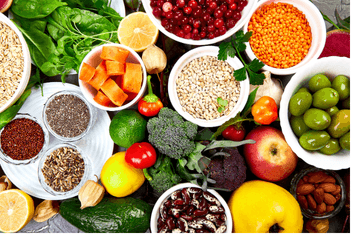
A Simple Rule: Eat the Rainbow
Different colors = different nutrients.
~Red foods support heart health.
~Orange foods support immunity.
~Green foods support detoxification.
~Purple foods support brain health.
Hydration: The Often‑Forgotten Essential Nutrient
Water is crucial for nearly every function in the body.
Why Hydration Matters
Supports digestion
Regulates body temperature
Helps transport nutrients
Supports brain function
Prevents fatigue and headaches
Supports healthy skin
Most people feel best when they drink consistently throughout the day rather than chugging large amounts at once.
How to Build a Balanced Plate (The Simplest Method)
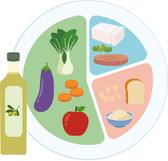
The balanced plate method is one of the simplest, most effective ways to eat well without tracking or measuring.
The Balanced Plate Breakdown
½ plate: vegetables + fruits
¼ plate: whole grains or starchy carbs
¼ plate: lean protein
Add: healthy fats
Plus: water or hydrating beverages
Why This Works
Stabilizes blood sugar
Supports steady energy
Prevents overeating
Helps you feel full and satisfied
Naturally increases nutrient intake
Balanced plates are flexible — you can build them with any cuisine or dietary preference.
5 Quick & Easy Macro‑Balanced, Micro‑Rich Meal Ideas
These are simple combinations you can assemble your own way and each includes a flavor‑boosting combo idea to tie it all together.
1. Harvest Greens & Lentil Plate
Protein: Warm seasoned lentils
Carb: Roasted butternut squash or whole‑grain couscous
Veggies: Kale, red onion, apple slices
Healthy fat: Pumpkin seeds
Flavor boost: Apple cider vinegar + Dijon + maple drizzle
Why it works: This plate is rich in fiber, plant protein, and slow‑burning carbs. The combination of lentils and squash supports steady energy, while kale and pumpkin seeds add micronutrients like magnesium, iron, and vitamin K.

2. Teriyaki Tofu & Brown Rice Bowl
Protein: Baked or pan‑seared tofu
Carb: Brown rice or barley
Veggies: Snap peas, shredded carrots, steamed bok choy
Healthy fat: Sesame oil or sesame seeds
Flavor boost: Teriyaki + ginger + green onion
Why it works: This bowl is high in antioxidants and plant‑based protein. The fiber from brown rice and veggies supports digestion, while tofu provides calcium and iron. Sesame adds healthy fats that help absorb fat‑soluble vitamins.
3. Greek‑Inspired Chicken & Potato Plate
Protein: Grilled chicken breast or chicken thighs
Carb: Roasted baby potatoes
Veggies: Zucchini, cherry tomatoes, red peppers
Healthy fat: Feta or olive oil
Flavor boost: Lemon + oregano + garlic
Why it works: This plate offers a beautiful balance of protein, complex carbs, and Mediterranean‑style fats. The veggies provide vitamin C and antioxidants, while the potatoes offer steady energy and potassium.
4. Bean & Quinoa Stuffed Peppers
Protein: Black beans or white beans
Carb: Quinoa
Veggies: Bell peppers (as the “bowl”), spinach mixed into the filling
Healthy fat: Avocado slices
Flavor boost: Smoked paprika + lime + cilantro
Why it works: Stuffed peppers are naturally portion‑balanced. Beans and quinoa together create a complete protein, while the peppers deliver vitamin C and fiber. Avocado adds creaminess and healthy fats for satiety.
5. Shrimp, Corn & Wild Rice Summer Plate
Protein: Sautéed or grilled shrimp
Carb: Wild rice blend
Veggies: Corn, cherry tomatoes, arugula
Healthy fat: Olive oil or a sprinkle of pine nuts
Flavor boost: Basil + lemon zest + sea salt
Why it works: This plate is light but nutrient‑dense. Shrimp provides lean protein and minerals like selenium, while wild rice adds fiber and antioxidants. The combination of corn and tomatoes brings natural sweetness and vitamin C.
Final Thoughts
Nutrition becomes simple when you understand the basics. You don’t need perfection — you just need a foundation. When you focus on macronutrients, micronutrients, hydration, and balanced meals, you create a way of eating that supports energy, mood, digestion, and long‑term health.
Introducing Your 30‑Day Mindful Eating Challenge
If you’re feeling called to slow down, reconnect with your body, and bring a little more peace to your relationship with food, this 30‑day mindful eating challenge is the perfect place to begin. It’s gentle, simple, and designed to help you build awareness one small, doable step at a time—no pressure, no perfection, just presence.
Each day offers a tiny invitation to tune in, breathe, savor, and listen to what your body is really asking for. Over the course of a month, these little shifts add up in the most beautiful way, helping you feel more grounded, more intuitive, and more connected to yourself.
And the best part?...
You can get the entire challenge for FREE.
Just enter your email and sign up for the newsletter, and it will be delivered straight to your inbox so you can start whenever you’re ready.
A softer, more mindful way of nourishing yourself is waiting for you—one day, one bite, one moment at a time.
Book your next visit!
Copyright © 2025 embraceyourjourney.ca - All Rights Reserved.