
Nourishing Your
Inner Garden:
A Beginner’s Guide to the Microbiome
March 2026
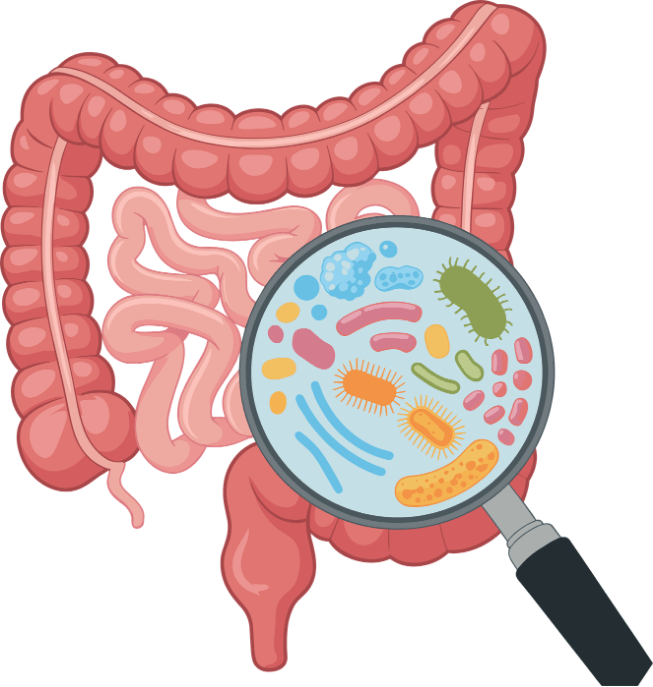
The microbiome is one of the most influential systems in the human body, yet many people are only just beginning to understand its importance.
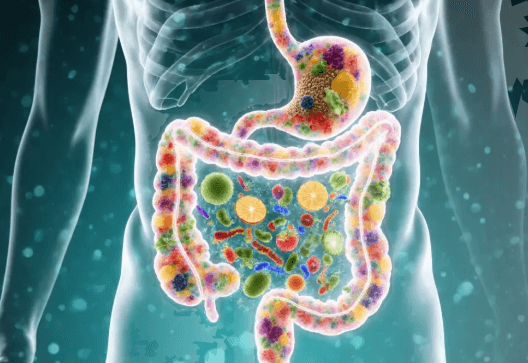
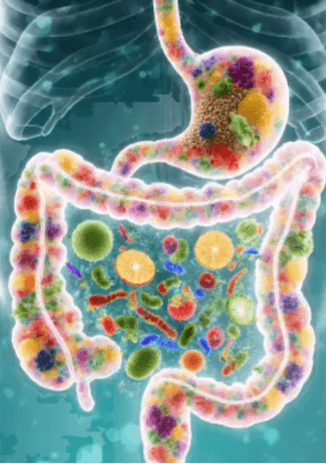
This vast ecosystem of bacteria, fungi, viruses, and other microorganisms lives primarily in the digestive tract, where it plays a central role in digestion, immunity, metabolism, and emotional well‑being.
When we imagine the microbiome as an inner garden, it becomes easier to understand how our daily choices — what we eat, how we sleep, how we manage stress — directly shape our health.
A thriving microbiome supports whole‑body vitality. An imbalanced one can contribute to inflammation, digestive discomfort, low mood, and metabolic challenges. Understanding this inner ecosystem is one of the most empowering steps we can take toward long‑term wellness.
What the Microbiome Is and Why It Matters
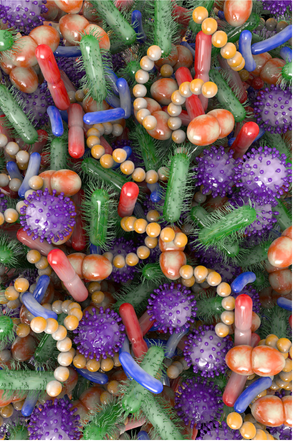
The microbiome is a living community made up of trillions of microorganisms. These microbes are not passive passengers — they are active participants in your biology. They help break down food, produce vitamins, regulate immune responses, and even influence how you feel emotionally.
A healthy microbiome is diverse, meaning it contains many different species of beneficial microbes. Diversity creates resilience: the more varied the ecosystem, the better it can adapt, repair, and support your body.
When the microbiome becomes imbalanced — a state known as dysbiosis — harmful bacteria can overgrow, inflammation increases, and the gut lining may weaken. This imbalance can ripple outward, affecting digestion, immunity, mood, and metabolism.
How the Microbiome Supports Digestion and Nutrient Absorption
Digestion is one of the microbiome’s most essential roles. Beneficial bacteria help break down complex carbohydrates, fibers, and plant compounds that human enzymes cannot digest alone. This process produces short‑chain fatty acids (SCFAs), which:
Nourish the cells lining the gut
Reduce inflammation
Support healthy bowel movements
Strengthen the gut barrier
A strong gut barrier prevents unwanted particles from entering the bloodstream, reducing the risk of chronic inflammation. When the microbiome is thriving, digestion feels smoother, energy becomes more stable, and nutrient absorption improves — meaning your body gets more from the foods you eat.
The Microbiome’s Role in Immunity and Inflammation
Around 70–80% of the immune system lives in the gut, constantly communicating with the microbes that reside there. Beneficial bacteria help “train” immune cells to respond appropriately — not overreacting to harmless substances and not underreacting to real threats.
A balanced microbiome supports immunity by:
Crowding out harmful bacteria
Producing natural antimicrobial compounds
Reducing unnecessary inflammation
Strengthening the gut lining, which acts as a protective barrier
A healthy microbiome also plays a powerful role in keeping inflammation under control by strengthening the gut lining, guiding immune cells, and preventing harmful bacteria from taking hold.
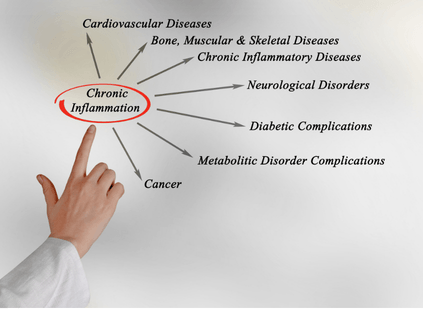
When this inner ecosystem lacks diversity and becomes imbalanced, the gut barrier can weaken and immune cells may begin to overreact, creating a state of chronic, low‑grade inflammation.
This chronic inflammation is strongly linked to:
Autoimmune disorders such as Hashimoto’s, rheumatoid arthritis, and psoriasis
Cardiovascular disease, including hypertension and atherosclerosis
Metabolic disorders like type 2 diabetes and obesity
Inflammatory bowel diseases, including Crohn’s and ulcerative colitis
Arthritis and chronic joint conditions
Neurodegenerative diseases, including Alzheimer’s and Parkinson’s
Supporting microbial diversity helps interrupt this inflammatory cycle, allowing the immune system to regain clarity and balance while reducing the long‑term risks associated with ongoing inflammation.
How the Microbiome Influences Mood and Emotional Well‑Being
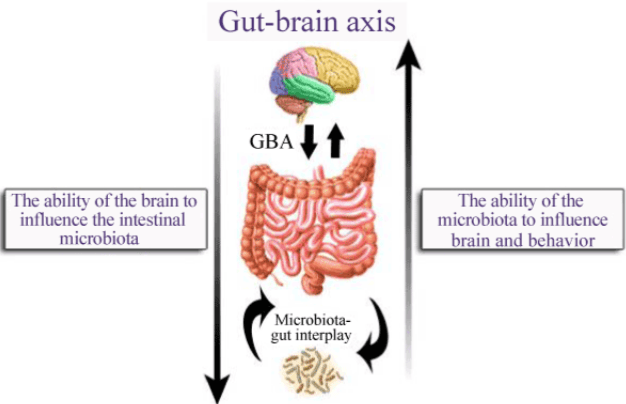
The gut and brain are deeply connected through the gut–brain axis, a communication network involving nerves, hormones, and chemical messengers. Gut bacteria produce neurotransmitters such as serotonin, dopamine, and GABA — all essential for emotional balance.
In fact, a significant portion of the body’s serotonin is produced in the gut.
When the microbiome is imbalanced, this communication system can become disrupted, contributing to:
Anxiety
Low mood
Heightened stress
Brain fog
Difficulty concentrating
Supporting gut health can therefore have a profound impact on emotional resilience, mental clarity, and overall mood stability.
The Microbiome’s Influence on Metabolism and Weight
The microbiome also plays a role in how the body processes and stores energy.
Certain microbes influence:
How efficiently calories are extracted from food
How carbohydrates and fats are metabolized
How blood sugar levels respond to meals
How the body stores fat
People with a more diverse microbiome tend to have more stable blood sugar, healthier metabolic patterns, and a lower risk of metabolic disorders.
While the microbiome is not the only factor in weight regulation, it is a significant one — and one that responds directly to daily habits.

What Harms the Microbiome?
Modern lifestyles can easily disrupt microbial balance. Factors that commonly harm the microbiome include:
Highly processed foods
Excess sugar
Artificial sweeteners
Chronic stress
Poor sleep
Alcohol
Frequent antibiotic use
These disruptors can weaken the gut lining, increase inflammation, and reduce microbial diversity, creating an environment where harmful bacteria thrive.
Understanding these influences helps us make choices that protect and nourish our inner ecosystem.
How to Support and Strengthen Your Microbiome
Eat Fiber‑Rich Whole Foods:
Fiber is the primary fuel for beneficial bacteria. When microbes ferment fiber, they produce SCFAs that support gut health, immunity, and inflammation regulation. A fiber‑rich diet also helps maintain regular digestion and stable energy.
Great sources include fruits, vegetables, whole grains, legumes, nuts, and seeds.
Add Prebiotic Foods:
Prebiotics are specific types of fiber that feed beneficial bacteria and help them multiply. They act like fertilizer for your inner garden.
Common prebiotic foods include garlic, onions, leeks, asparagus, oats, bananas, and beans.
Include Probiotic Foods:
Probiotics introduce beneficial bacteria directly into the gut. Regular consumption can help restore balance and increase microbial diversity.
Examples include yogurt, kefir, sauerkraut, kimchi, miso, and other fermented foods.
Prioritize Supportive Lifestyle Habits:
Your microbiome thrives when your body feels supported and safe.
Helpful habits include staying hydrated, getting restorative sleep, managing stress, and engaging in gentle movement.
These practices help regulate the nervous system, which in turn supports gut function.
Why Food Variety Is Essential
Different microbes feed on different types of plant fibers. The more variety you consume, the more diverse your microbiome becomes. Diversity is one of the strongest predictors of gut resilience.
Aim to rotate:
Fruits
Vegetables
Herbs and spices
Whole grains
Plant proteins
Think of it as planting many different species in your inner garden — each one contributes to the ecosystem’s strength.
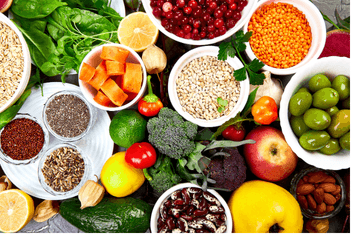
Superfoods That Support Gut Health
Certain foods are especially powerful for nourishing the microbiome:
Fermented foods (probiotics)
Leafy greens
Berries
Chia and flaxseeds
Oats
Legumes
Turmeric and ginger
Brightly colored vegetables
These foods help reduce inflammation, feed beneficial bacteria, and support overall microbial diversity.
How Daily Choices Shape Your Microbiome
Every meal is an opportunity to support your inner ecosystem. When you prioritize whole, nutrient‑dense foods, you naturally reduce the space for processed foods that disrupt microbial balance.
Over time, people often notice:
Improved digestion
More stable energy
Reduced cravings
Better mood
A deeper sense of groundedness
This approach is not about restriction — it’s about nourishment and alignment with the body’s natural rhythms.
Frequently Asked Questions
What is the microbiome in simple terms?
It’s the community of microbes living in your gut that help regulate digestion, immunity, mood, and metabolism.
How do I know if my microbiome is imbalanced?
Common signs include bloating, irregular digestion, fatigue, sugar cravings, low mood, or frequent illness. Persistent symptoms should be discussed with a healthcare professional.
What foods help the microbiome the most?
Fermented foods, fiber‑rich plants, leafy greens, berries, legumes, and whole grains are especially supportive.
How long does it take to improve gut health?
Some changes can occur within days, but meaningful improvements typically build over weeks to months of consistent habits.
Can stress affect the microbiome?
Yes. Chronic stress can disrupt gut bacteria, weaken the gut lining, and interfere with digestion and mood regulation.
Five Easy Things
You Can Do Today to Support Your Microbiome
Add one fermented food to a meal. A spoonful of sauerkraut, a serving of yogurt or kefir, or a small side of kimchi introduces beneficial bacteria that help rebalance the gut ecosystem.
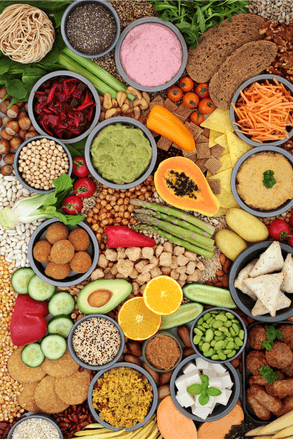
Eat at least one extra plant‑based food you don’t usually choose. Variety feeds different microbial species, so adding a new fruit, vegetable, herb, or whole grain immediately increases microbial diversity.
Swap one processed snack for a fiber‑rich whole food. Choosing something like berries, nuts, seeds, or a piece of fruit provides prebiotic fibers that nourish beneficial bacteria.
Drink an extra glass or two of water. Hydration supports digestion, helps maintain the gut lining, and creates a more stable environment for beneficial microbes to thrive.
Take five minutes to downshift your stress. A short walk, a few deep breaths, or a moment of stillness helps calm the nervous system — and because stress directly affects the gut, even small moments of regulation support microbial balance.
Five Things to STOP
Doing Today to
Support Your Microbiome
Relying on highly processed foods. Packaged snacks, fast food, and ultra‑processed meals often contain additives, preservatives, and low‑quality fats that disrupt microbial balance and feed inflammatory bacteria. Reducing even one processed item a day can make space for foods that nourish beneficial microbes.
Overusing artificial sweeteners. Sweeteners like sucralose, aspartame, and saccharin can negatively alter gut bacteria and may increase cravings, blood sugar instability, and inflammation. Swapping them for natural sweetness from fruit or small amounts of honey or maple syrup supports a healthier microbial environment.
Skipping sleep or staying up too late. Poor sleep disrupts the gut–brain axis, increases stress hormones, and weakens the gut lining. Prioritizing a consistent sleep routine helps regulate digestion, immunity, and microbial diversity.
Eating the same foods every day. Even healthy foods can limit microbial diversity if eaten repetitively. A narrow diet feeds only a small group of microbes, while others weaken. Rotating fruits, vegetables, herbs, grains, and plant proteins helps your inner ecosystem flourish.
Letting stress go unmanaged. Chronic stress directly alters gut bacteria, increases inflammation, and slows digestion. Even a few minutes of deep breathing, stretching, or stepping outside can help calm the nervous system and create a more supportive environment for beneficial microbes
Final Thoughts
Tending to your microbiome is ultimately an act of partnership with your own body — a way of honoring the intricate ecosystem that works tirelessly on your behalf every moment of the day.
When you nourish this inner garden with diverse, whole foods, supportive habits, and mindful choices, you create the conditions for vitality to take root. Over time, these small, consistent acts of care ripple outward into clearer energy, steadier mood, stronger immunity, and a deeper sense of connection to your own well‑being.
Your microbiome is always responding to how you live; when you choose nourishment, it responds with resilience.
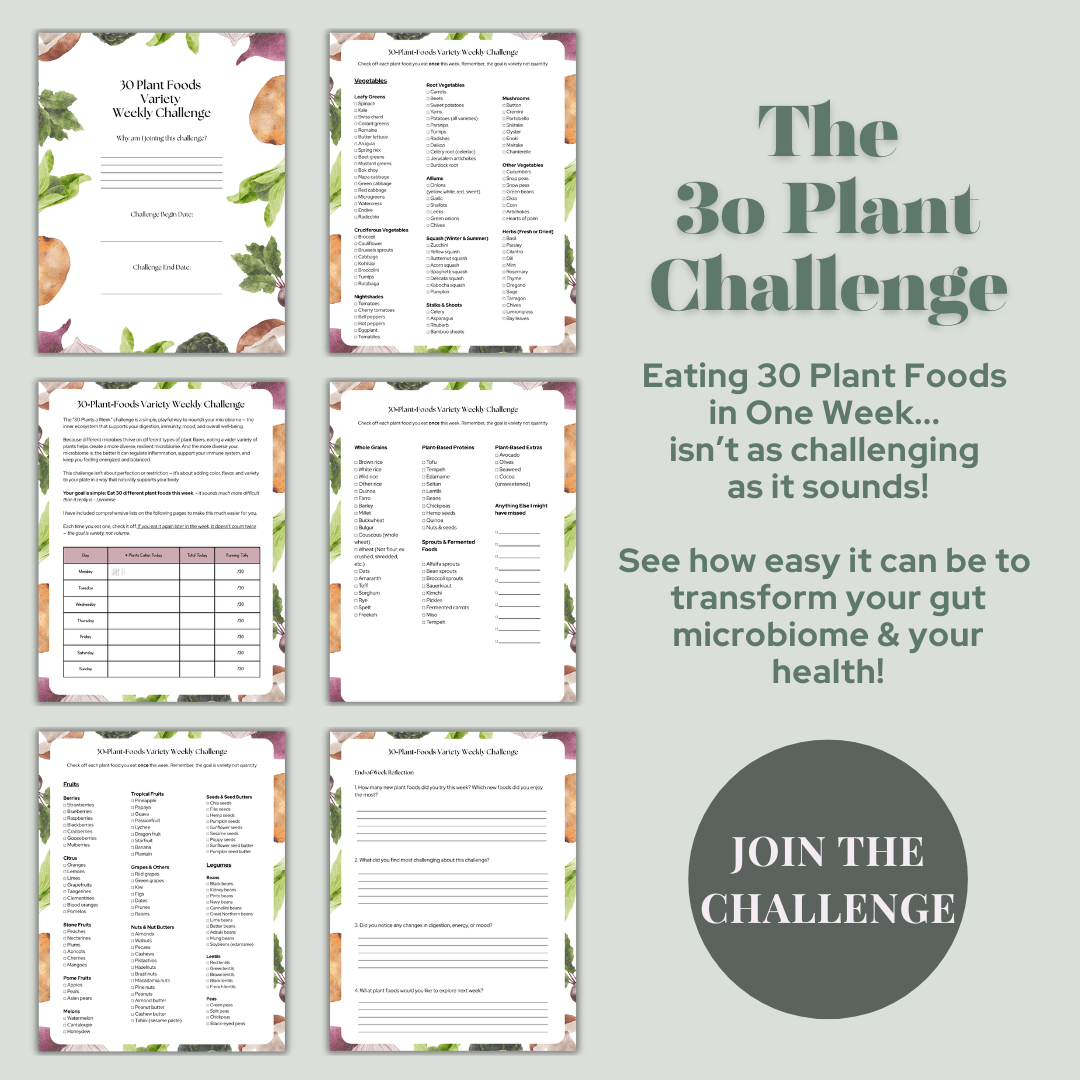
The 30 Plant Food a Week Challenge
The “30 Plants a Week” challenge is a simple, playful way to nourish your microbiome — the inner ecosystem that supports your digestion, immunity, mood, and overall well‑being.
Because different microbes thrive on different types of plant fibers, eating a wider variety of plants helps create a more diverse, resilient microbiome. And the more diverse your microbiome is, the better it can regulate inflammation, support your immune system, and keep you feeling energized and balanced.
This challenge isn’t about perfection or restriction — it’s about adding color, flavor, and variety to your plate in a way that naturally supports your body.
I’ve put together a simple, easy‑to‑use guide to help you track all the plant foods you eat throughout the week. It also includes a comprehensive three‑page list of plant‑based foods to spark ideas and inspire you to try new things, plus a final reflection page where you can note any shifts, insights, or changes you noticed by the end of the week.
CLICK THE IMAGE TO GET IT FREE!
Book your next visit!
Copyright © 2025 embraceyourjourney.ca - All Rights Reserved.